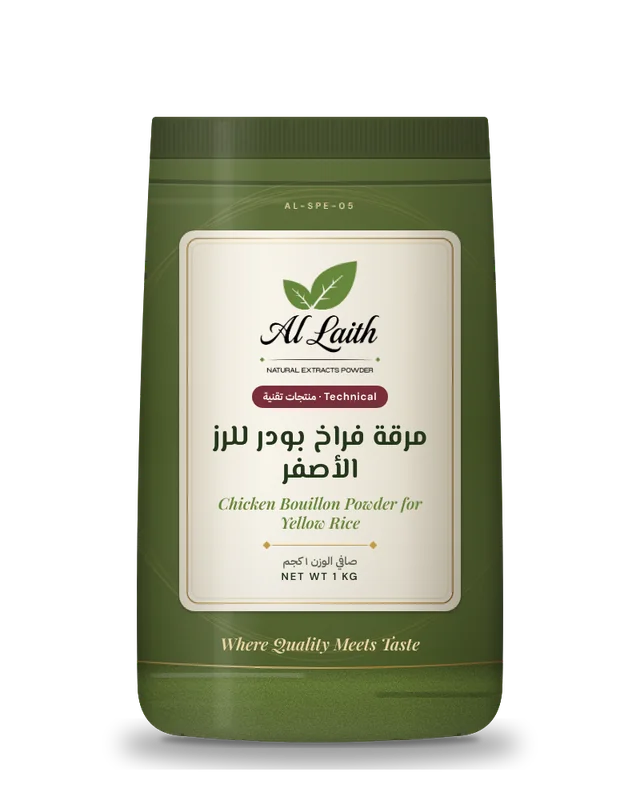
 Chicken vermicelli soupChicken bouillon powder for yellow rice
Why restaurant yellow rice tastes different
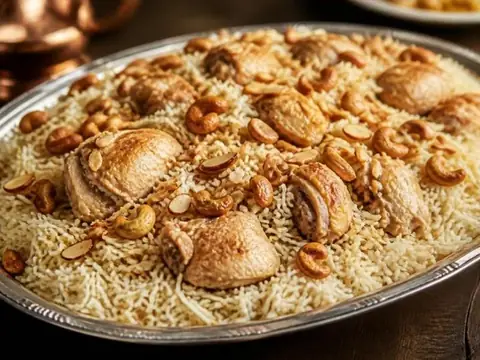
Restaurant yellow rice is cooked in chicken stock instead of plain water, at a fixed ratio written into the kitchen recipe, so today's pot tastes exactly like yesterday's.
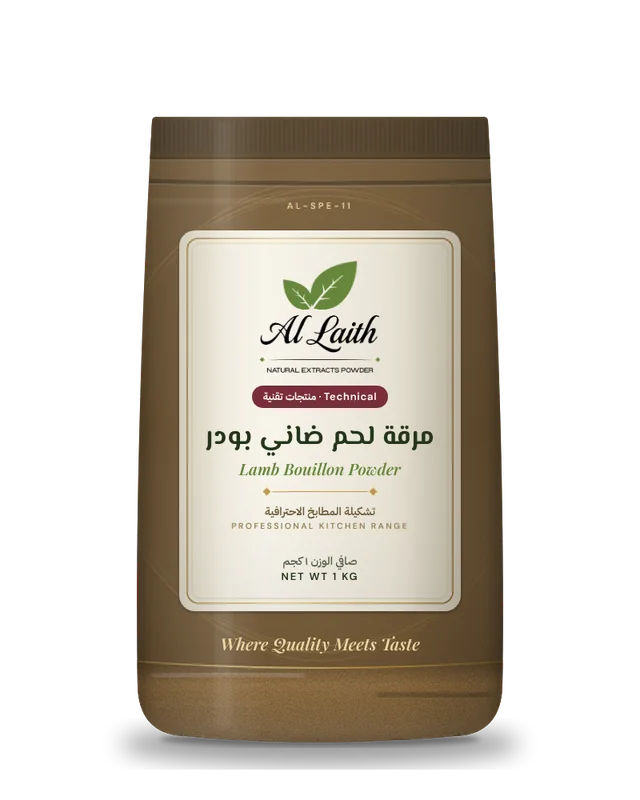
Boiling chicken and bones every morning for that stock costs hours, gas and burner space, and the taste changes from one chef to the next. Chicken bouillon powder for yellow rice gives you ready chicken stock that dissolves in hot water in seconds and is weighed by the gram.
How to make yellow rice for restaurants, step by step
- Rinse the rice several times until the water runs almost clear, so excess starch does not make the grains sticky.
- Soak basmati for about 30 minutes, then drain well; the grains cook evenly and break less.
- Make the stock first: 25–30 g of bouillon per 1 litre of hot water, stirred until fully dissolved.
- Toast the rice briefly in oil, ghee or butter.
- Add the stock instead of water, using the same amount of liquid your recipe already uses, and stir once.
- Taste before salting — the bouillon is already salted.
- Cook covered on low heat until the liquid is absorbed, then rest it covered before fluffing.
How much bouillon for a restaurant pot?
The maths follows the water, not the rice: 10 L of water needs 250–300 g, 20 L needs 500–600 g. At this ratio, 1 kg makes 33–40 L of stock and a 25 kg bag about 830–1,000 L. Weigh it on a scale and write the number into the recipe so every shift works the same way.
Mistakes to avoid
- Sprinkling the powder straight onto the rice instead of dissolving it first.
- Salting before tasting.
- Stirring too often, which breaks the grains.
- Leaving leftover rice out: cool it quickly, ideally within an hour, refrigerate it, eat it within a day and reheat it only once until steaming hot, because Bacillus cereus spores can survive cooking.
Yellow rice or white rice bouillon?
The difference is the colour of the rice it gives: this one is for yellow rice, and chicken bouillon powder for white rice is for kitchens serving white rice. Both use 25–30 g per litre and both work for soups and sauces.
Kabsa and mandi restaurants, Egyptian home-style restaurants and hotel buffets are the main users. Packs: 1 kg and 5 kg packs and 15 and 25 kg bags; free delivery inside Cairo, governorates at the courier's fee. Send your quantity on WhatsApp for a quote.
Frequently asked questions
How do restaurants make yellow rice?
They cook it in chicken stock instead of water: rinse and drain the rice, toast it in a little fat, then add stock made with 25–30 g of chicken bouillon powder for yellow rice per litre of hot water, using the usual amount of liquid.
How much chicken bouillon powder per litre for rice?
25–30 g per 1 litre of water. Dissolve it first and taste before adding salt.
Why does my yellow rice come out salty?
Usually salt was added before tasting, or the powder was sprinkled on the rice instead of dissolved in the water first.
How many litres does 1 kg of bouillon make?
At 25–30 g per litre, about 33–40 litres; a 25 kg bag makes about 830–1,000 litres.