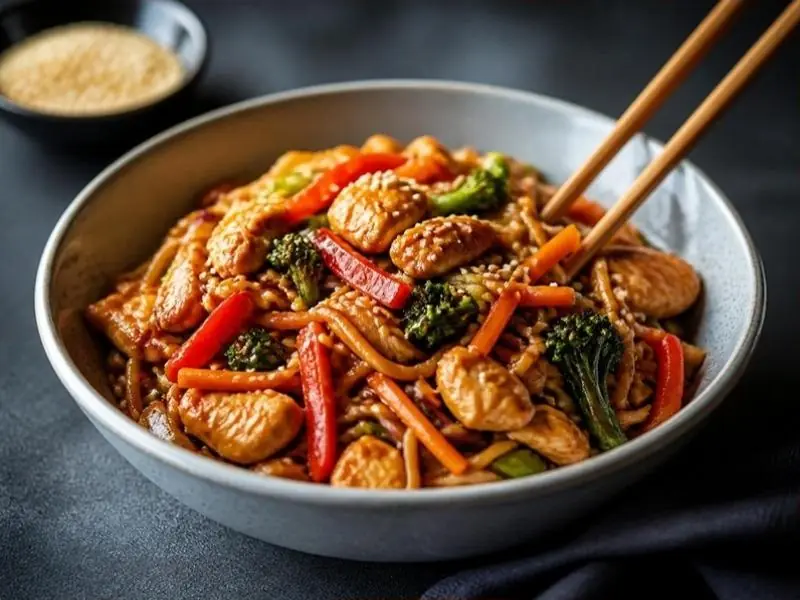
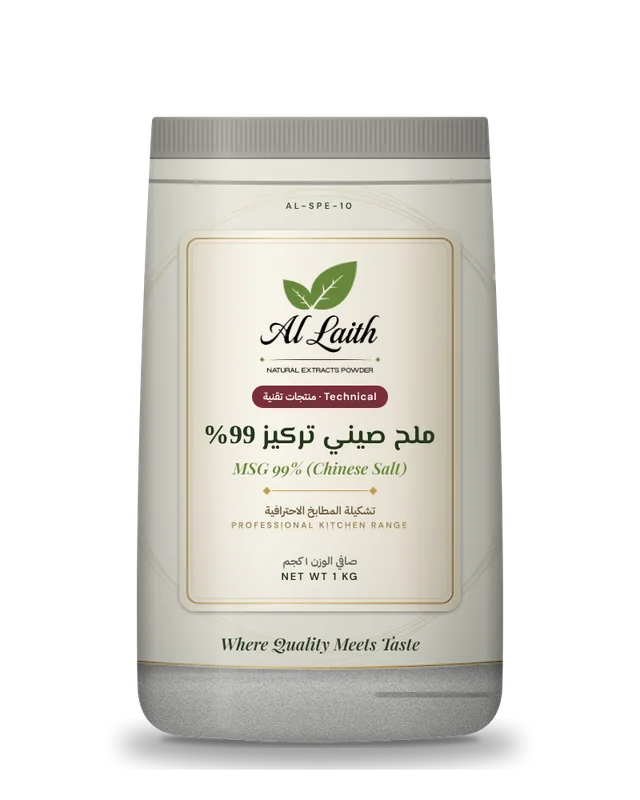
 Chicken noodlesMSG 99% (Chinese salt)
Chinese salt vs table salt in short
Table salt is sodium chloride and gives a salty taste. Chinese salt is monosodium glutamate (MSG) and gives umami, the full, savory taste of a good broth or grilled meat, with a light salty note. They work together in a kitchen rather than replacing each other.
Side-by-side
- Taste: salt is salty; MSG is umami with a light salty note.
- Sodium: table salt is about 39% sodium; MSG about 12%, roughly a third.
- Amount: salt goes in to taste; Al Laith MSG 99% (Chinese salt) goes in at a small amount because of its purity.
- Role: salt sets saltiness; MSG makes the taste richer.
Why restaurants use both
Pushing flavor with salt alone makes food salty before it tastes rich. A small amount of MSG adds depth, and because it has less sodium than table salt, using it while cutting regular salt can help reduce total salt while keeping the taste. Hong Kong's Centre for Food Safety notes that MSG with a little salt can cut a recipe's sodium by 20–40%.
How to use it without over-salting
- Start small: it is 99% pure.
- Reduce regular salt at the same time.
- Add it to liquids: it dissolves quickly in broth or marinade.
- Taste before adding more salt.
- Fix the dose in the recipe: the Al Laith team recommends it for your recipe.
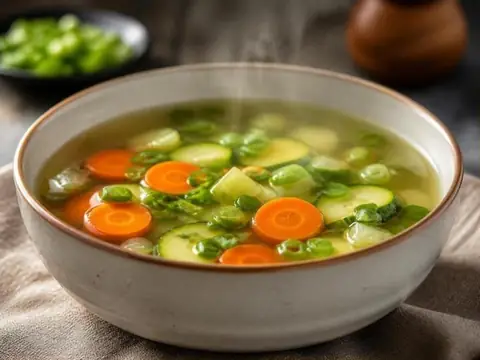
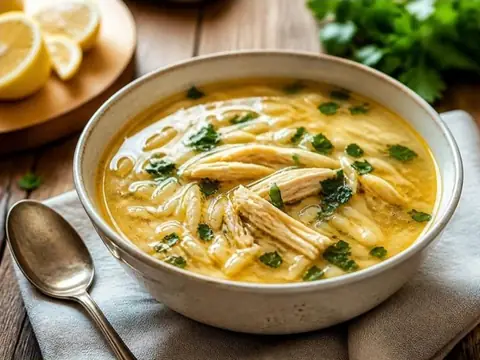
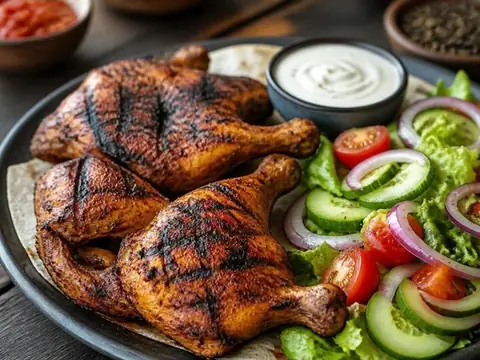
Used in soups, stir-fries, chicken and meat marinades, rice and snack seasonings. For chicken, see also chicken taste enhancer. Packs: 1 kg and 5 kg packs and 15 and 25 kg bags. Request a quote on WhatsApp.
Frequently asked questions
What is the difference between MSG and salt?
Salt (sodium chloride) tastes salty; MSG (monosodium glutamate) adds umami with a light salty note. Kitchens use them together.
Can MSG replace salt?
Not fully. Use a small amount alongside salt and reduce the salt a little.
Does MSG have less sodium than salt?
Yes — about 12% sodium versus about 39% in table salt.
How much MSG per pot?
It is 99% pure, so the amount is small; the Al Laith team recommends the dose for your recipe.